Terminal-Bench 2.0 launches alongside Harbor, a new framework for testing agents in containers
$2.5M Boost Drives Clean Energy Training Across NSW | Mirage News
China’s chemical exports are behind a ‘tsunami’ of meth flooding Asia
The Hydrogen Stream EU funds eight hydrogen projects under NetZero call
Top 7 Tips for Maintaining Your Shipping Container
A shipping container can last decades — but only if you take proper care of it. Whether you’re using it for storage, workspace, or a container home, regular maintenance is key to protecting your investment. Here are 7 essential tips to extend the life of your container.
- Inspect Regularly
Check the doors, seals, floor, and roof for signs of damage, rust, or leaks at least twice a year. - Keep It Dry and Elevated
Water pooling under your container accelerates corrosion. Place it on gravel, concrete, or blocks to improve drainage and airflow. - Treat Rust Early
If you see surface rust, sand it down and apply a primer + marine-grade paint. Preventative care stops small spots from spreading. - Lubricate Door Hinges and Lock Rods
Stiff or stuck doors are a common issue. Lubricate moving parts to keep them smooth and functional. - Maintain Paint and Protective Coatings
Repainting every few years protects the steel from weather damage and keeps the container looking new. - Control Moisture Inside
Use desiccants or ventilation to reduce condensation — especially if storing electronics, paper, or furniture. - Check the Roof for Debris
Leaves, snow, or water on the roof add unnecessary weight and cause rust. Clean it off regularly.
Conclusion:
With minimal but consistent maintenance, a shipping container can serve you for 20–30 years. These simple steps not only protect your container but also save you costly repairs down the line.
New vs. Used Shipping Containers: Which One Should You Buy?
When buying a shipping container, one of the biggest decisions you’ll make is whether to go with a new (one-trip) unit or a used one. Both options have their pros and cons — and the right choice depends on your project, budget, and long-term plans.
- What Is a “New” or “One-Trip” Container?
• These containers have been used once for shipping goods before being sold.
• They’re virtually brand new, with minimal wear, fresh paint, and intact flooring.
• Ideal for projects where appearance, lifespan, or modification potential matters (e.g., homes, offices, cafés). - Benefits of New Containers:
• Clean, rust-free, and structurally perfect
• Longer lifespan (20+ years)
• Easier to insulate and modify
• More visually appealing — great for commercial use - Why Choose Used Containers:
• Significantly cheaper (sometimes 30–50% less)
• Perfect for storage, farming, workshops, or temporary sites
• Still wind & water-tight and fully functional - Points to Consider:
• Check the grade (W/WT, CW, or IICL) before buying used.
• Always request inspection photos and a condition report.
• Factor in refurbishment costs if you want to repaint or modify.
There’s no “one-size-fits-all” answer. If you’re building or converting, new/one-trip is worth the investment. For simple storage or short-term use, a used container offers unbeatable value.
Shipping Container Delivery: What to Expect and How to Prepare
Buying a shipping container is exciting — but delivery day can be stressful if you’re not prepared. Here’s everything you need to know before your container arrives.
- Site Preparation
• Ground Level: Ensure the surface is level and stable (gravel or concrete is ideal).
• Access: Trucks need about 80 feet of straight approach space and 12ft width clearance.
• Obstacles: Clear trees, fences, or power lines from the delivery path. - Delivery Methods
• Tilt-Bed Truck: Container slides off the back — most common and cost-effective.
• Crane Delivery: Used for tight spaces or raised platforms. - Timing and Scheduling
Delivery usually takes 2–7 business days. Coordinate with your provider and ensure someone is on-site to guide placement. - Post-Delivery Inspection
Check for:
• Door alignment and seal condition
• Floor integrity
• No holes, leaks, or major rust
Conclusion:
Proper planning ensures a smooth delivery and a container that’s ready for immediate use. Follow these tips, and your new storage or workspace solution will be in place without a hitch.
Top 5 Ways People Are Using Shipping Containers in 2025
Shipping containers are one of the most versatile building blocks of the modern world. From storage to architecture, their uses are constantly evolving. Here are the top five most popular container applications in 2025.
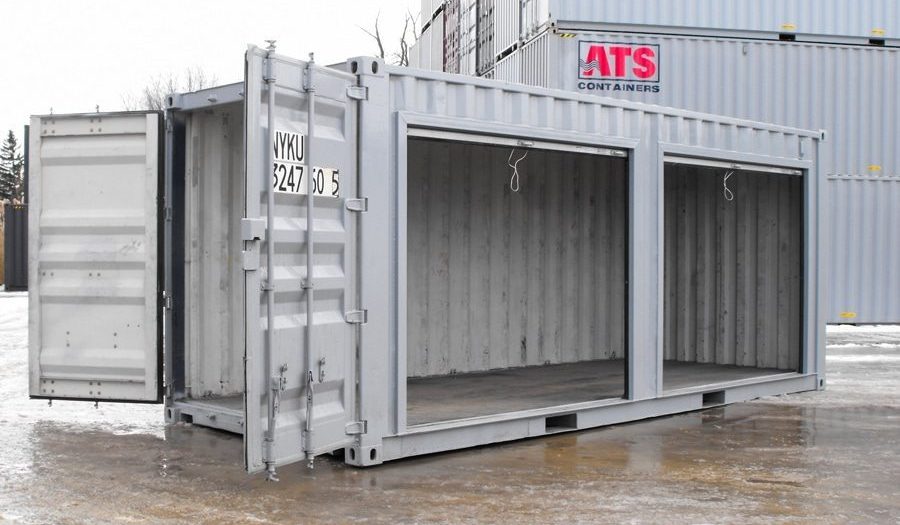
- Backyard Storage Solutions
Instead of renting storage units, homeowners are installing 20ft containers on their property — a cost-effective, secure, and weatherproof solution. - Pop-Up Shops & Cafés
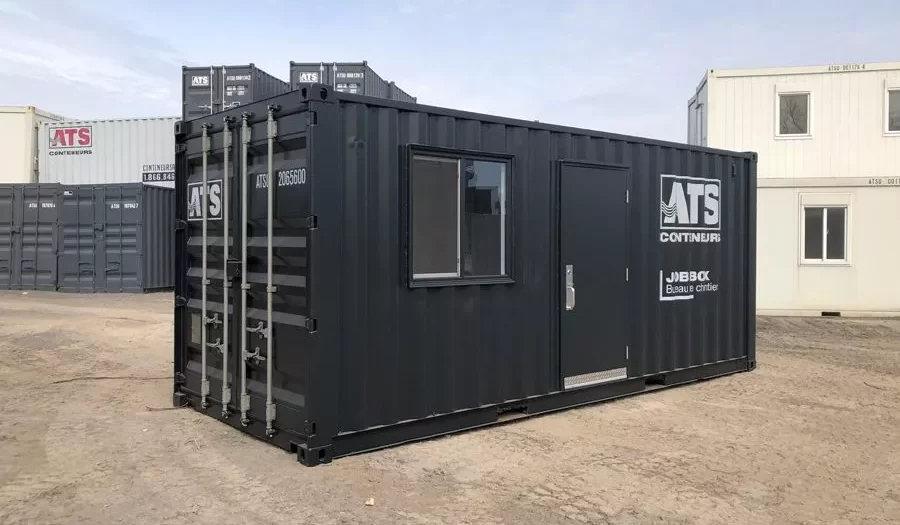
Entrepreneurs love containers for their affordability and mobility. Pop-up retail spaces can be deployed, relocated, and repurposed easily. - Home Offices & Studios
The remote work boom isn’t slowing down. Containers offer a quick way to create insulated, fully functional office spaces in backyards or commercial lots. - Affordable Housing Projects
Modified high-cube containers are increasingly used to build compact homes, student housing, and emergency shelters — fast to deploy and eco-friendly. - Cold Storage & Specialty Use
Reefer containers are now widely used for food businesses, medical storage, and event catering where precise temperature control is essential.
Conclusion:
From personal use to large-scale commercial projects, containers are transforming how we think about space. Their flexibility, durability, and cost efficiency make them an unbeatable solution.
How to Choose the Right Shipping Container for Your Project
Shipping containers are no longer just for cargo ships — they’ve become the backbone of modern storage, construction, and even housing projects. But with so many sizes, grades, and modifications available, how do you choose the right one? Here’s a quick guide to help you make the best decision.
- Identify Your Purpose
• Storage: Standard 20ft or 40ft used containers are cost-effective.
• Workspaces/Offices: Choose high cube (9’6”) units for extra headroom.
• Homes/Conversions: Consider one-trip or new containers for a clean, rust-free base. - Pick the Right Size
• 10ft: Compact storage or site offices.
• 20ft: Most versatile — fits most projects and locations.
• 40ft: Best for large-scale storage or permanent builds. - Know the Condition Grades
• New / One-Trip: Almost flawless, ideal for modifications.
• Cargo-Worthy (CW): Safe for shipping, strong structural integrity.
• Wind & Water-Tight (W/WT): Affordable storage, no leaks or holes. - Plan for Delivery & Placement
Ensure site access, level ground, and enough clearance for trucks or cranes. A little preparation saves a lot of headaches.
Conclusion:
Choosing the right container is all about matching size, condition, and purpose. Talk to a container specialist before purchasing — a quick consultation can help you save time, money, and future modifications.